Scalable System Architecture & Design
We build systems tailored precisely to your business, ensuring seamless integration with your workflows. From enterprise SaaS to AI-driven platforms, our solutions are engineered for speed
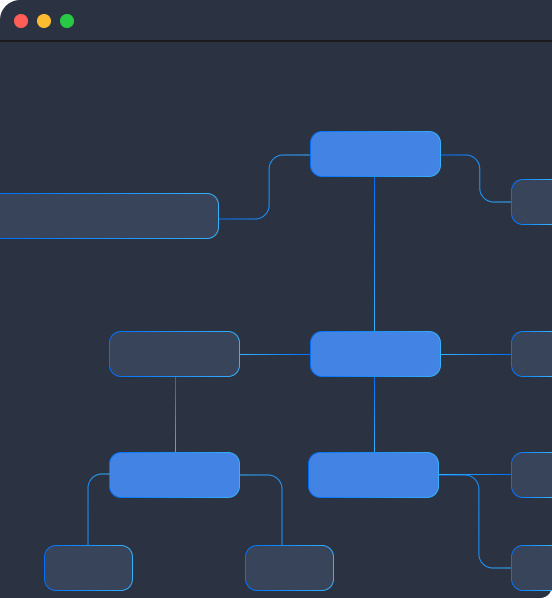

We start by evaluating your business needs, traffic expectations, data flow, and technical constraints. This helps define the right architecture style and ensures the system is designed for long-term scalability and maintainability.
We design a modular architecture—such as microservices, event-driven, or domain-driven structures—that allows independent scaling, easier maintenance, and seamless feature expansion as your product grows.
Our engineering process focuses on caching strategies, load balancing, database optimization, and fault-tolerant design. This ensures high availability, minimal latency, and consistent performance under increasing load.
We integrate third-party systems, APIs, and internal services while preparing your infrastructure for continuous scaling. Monitoring, autoscaling rules, and observability tools ensure the system adapts smoothly to evolving demands.
How scalable system design help business?

Supports growth
Handles increasing users, data, and transactions, maintaining optimal performance.
Reduces downtime
Ensures system reliability, continuous uptime, and operational continuity, minimizing business disruptions.
Improves efficiency
Optimized components streamline operations, lowering maintenance costs and effort.
Enhances flexibility
Easily integrates seamlessly with new tools, features, and services as business needs evolve.
Boosts performance
Efficient data flow, caching, and load balancing improve speed and responsiveness.
Competitive advantage
Delivers better customer experiences, supports innovation, and helps your business stay ahead.
Our key domain expertise
At Thought Morphing, we transform vision into precision built software, empowering businesses to scale, adapt, and lead in the decade ahead.

Software
Building cloud-native, AI-enabled products that rapidly evolve, learn continuously, and transform market operations.

Fintech
AI-driven financial platforms on secure, resilient cloud infrastructure built for compliance, transparency, and global scalability.

Edtech
Engineering cloud-native, AI-fueled products that learn continuously, launch quickly, and disrupt markets with precision.

Retail & E-commerce
Cloud-native, intelligent learning solutions powered by AI adaptive, personalized, and transformative at enterprise-wide digital scale.

Healthcare
Creating AI-powered commerce engines that predict needs, optimize operations, and deliver seamless, scalable experiences.

Travel & Hospitality
Building cloud-native, AI-enabled products that rapidly evolve, learn continuously, and transform market operations.
Have question?
Scalable system architecture is a design approach that allows your software infrastructure to efficiently handle growth in users, data, and transactions without compromising performance or requiring complete system overhauls.
Scalability ensures your systems can grow with your business, accommodating increased demand, supporting new features, and maintaining performance. It prevents costly infrastructure replacements and enables seamless expansion as your business evolves.
By optimizing data flow, implementing load balancing, and modular design, it enhances speed, responsiveness, and uptime.
Yes, scalable architecture is built with flexibility in mind, allowing seamless integration of new technologies, features, and services as your business requirements change and expand over time.
Long-term benefits include reduced operational costs, improved reliability, enhanced security, better user experience, competitive advantage, and the ability to innovate quickly without technical constraints or limitations.